
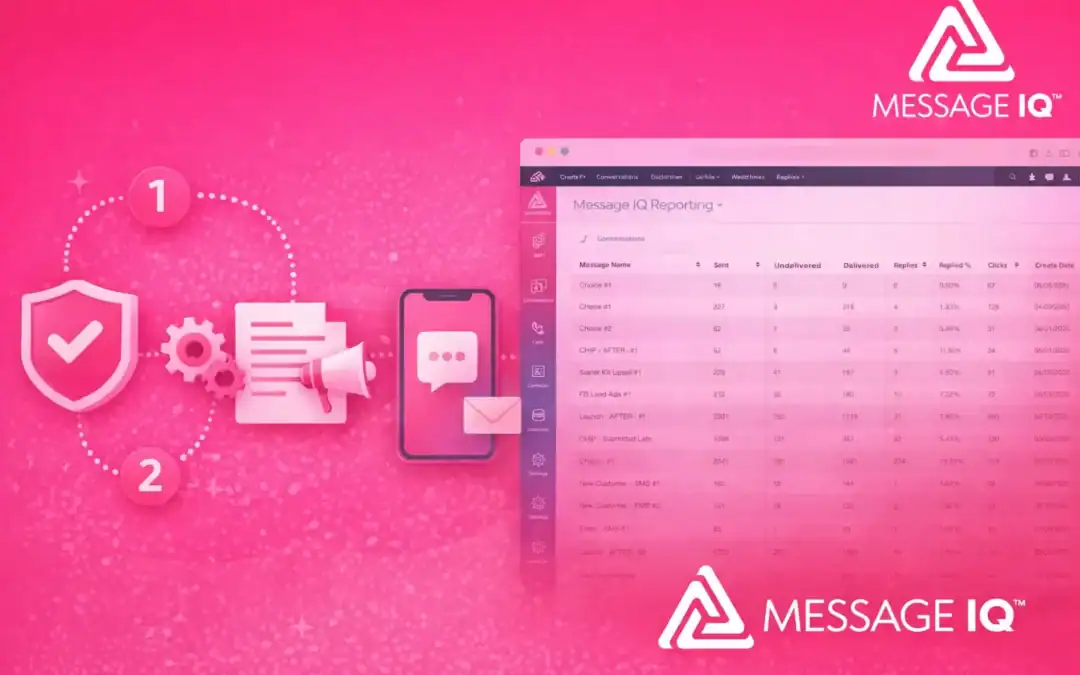
A high-performing abandoned cart SMS workflow in HubSpot uses clear trigger windows, concise copy, and staged follow-up timing. Start with one reminder shortly after abandonment, then a value-based follow-up, and finally a last-chance prompt with strict suppression rules to prevent fatigue.
A high-performing abandoned cart SMS workflow in HubSpot uses clear trigger windows, concise copy, and staged follow-up timing. Start with one reminder shortly after abandonment, then a value-based follow-up, and finally a last-chance prompt with strict suppression rules to prevent fatigue.
Cart abandonment recoveries are highly sensitive to timing and message clarity. Without trigger discipline and suppression logic, teams can over-message and reduce trust instead of recovering revenue.
Trigger design for abandoned cart workflows
Define abandonment based on user inactivity after add-to-cart or checkout start events. Typical trigger windows range from 15 to 60 minutes depending on purchase behavior. Ensure workflow excludes completed purchases and known support exceptions.
Accurate triggers reduce false-positive reminders and improve conversion quality.
Timing strategy that balances urgency and trust
A common structure is three touches: early reminder, value reinforcement, and final prompt. Spacing should reflect product price and decision complexity. High-consideration carts usually need more time than low-friction purchases.
Avoid aggressive pacing that feels spammy; speed should not override customer experience.
Copy frameworks for cart-recovery SMS
Strong cart-recovery copy uses context, low friction, and one CTA. Mention the saved cart, offer simple help, and keep tone supportive. If using incentives, apply governance so discounts are consistent with margin and brand policy.
Use message variants by cart value or product category when possible.
Get Your Ultimate HubSpot Text Messaging Playbook for FREE
Discover how top HubSpot teams use SMS to boost engagement, close deals faster and streamline operations.
Instant download
Expert insights from certified HubSpot professionals
Ultimate Text Messaging Playbook

Optimization and testing model
Test one variable at a time: send delay, CTA wording, incentive strategy, or personalization level. Track recovered cart value, conversion rate, and unsubscribe trend together.
If unsubscribe rises while recoveries stall, re-balance timing and copy pressure.
| Workflow Step | Suggested Delay | Message Goal | Primary KPI |
| Reminder 1 | 15-60 minutes | Bring shopper back quickly | Click/recovery rate |
| Reminder 2 | 12-24 hours | Reinforce value and remove friction | Recovered cart value |
| Reminder 3 | 24-72 hours | Final nudge with urgency or support | Final conversion lift |
| Stop condition | Immediate on purchase | Prevent duplicate reminders | Suppression accuracy |
| Exception handling | As needed | Route support questions | Resolution-to-purchase rate |
Step-by-Step Implementation
- Define abandonment event and inactivity threshold.
- Build three-step SMS sequence with clear stop conditions.
- Create copy variants by cart value or product type.
- Apply suppression for recent buyers and support exceptions.
- Test timing windows in controlled cohorts.
- Monitor recovery, unsubscribe, and margin impact weekly.
- Iterate monthly with data-backed copy and timing updates.
Frequently Asked Questions
How soon should the first abandoned cart SMS send?
Many teams start between 15 and 60 minutes, then tune based on behavior and product type.
Should every cart reminder include a discount?
Not always. Overusing discounts can hurt margin and train customers to wait.
How many reminders are optimal?
For many programs, 2-3 reminders with good spacing is a practical baseline.
What should stop the workflow?
Purchase completion should immediately stop all remaining reminders.
Can this workflow work for high-ticket items?
Yes, but timing and copy should reflect longer decision cycles.
What KPI matters most?
Recovered cart value and conversion quality are core indicators.
How do we avoid annoyance?
Use suppression rules, frequency caps, and respectful copy tone.
Should SMS and email both run for cart recovery?
Yes, often as coordinated channels with non-overlapping timing.
See how much revenue SMS could add to your HubSpot stack
Five inputs. Industry-backed benchmarks. Get your projected annual SMS revenue in under 30 seconds.
Calculate My SMS ROI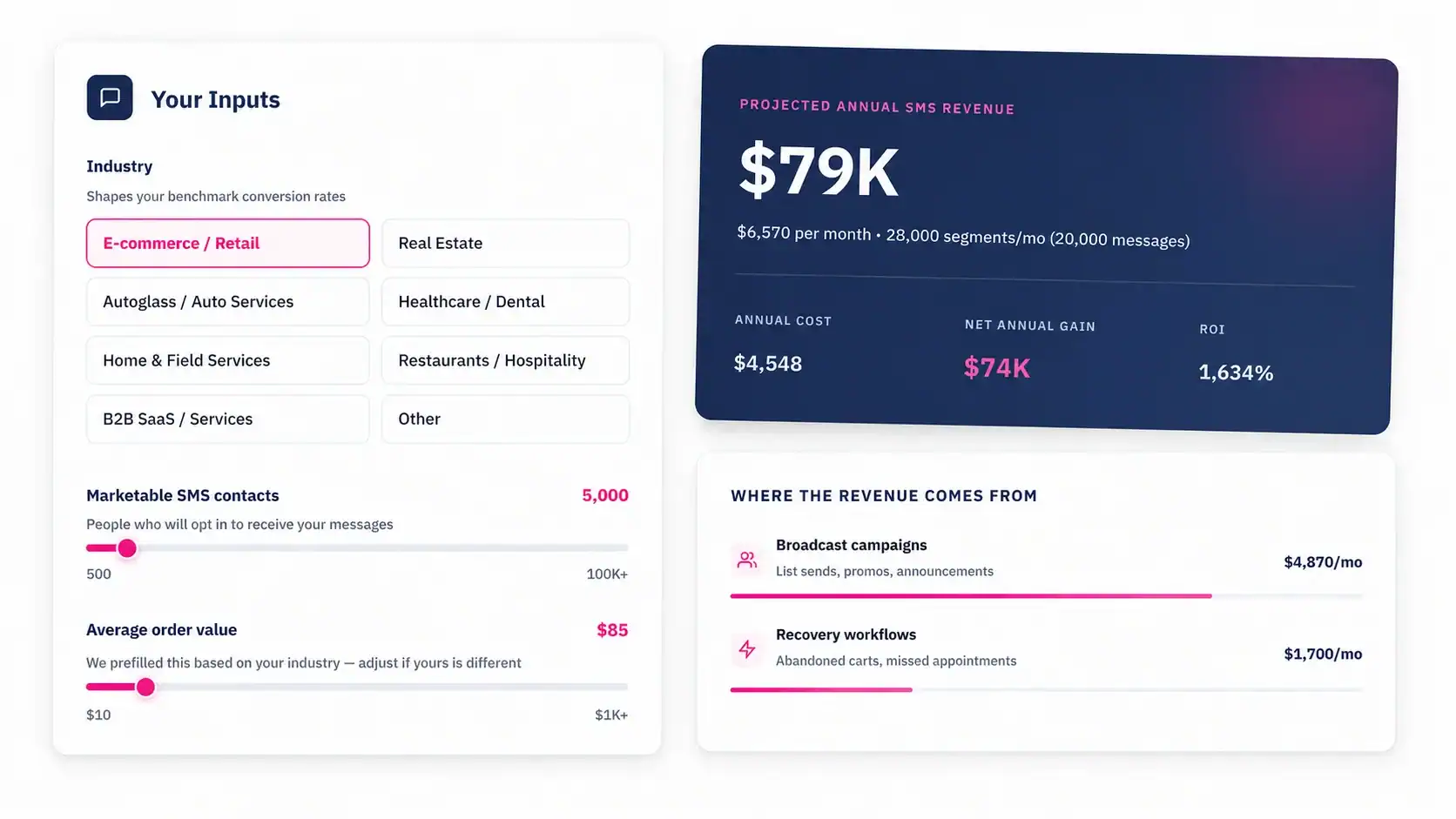
Conclusion
Abandoned cart SMS in HubSpot works when triggers are clean, timing is intentional, and copy is customer-centric. The right workflow can recover revenue without sacrificing trust.