
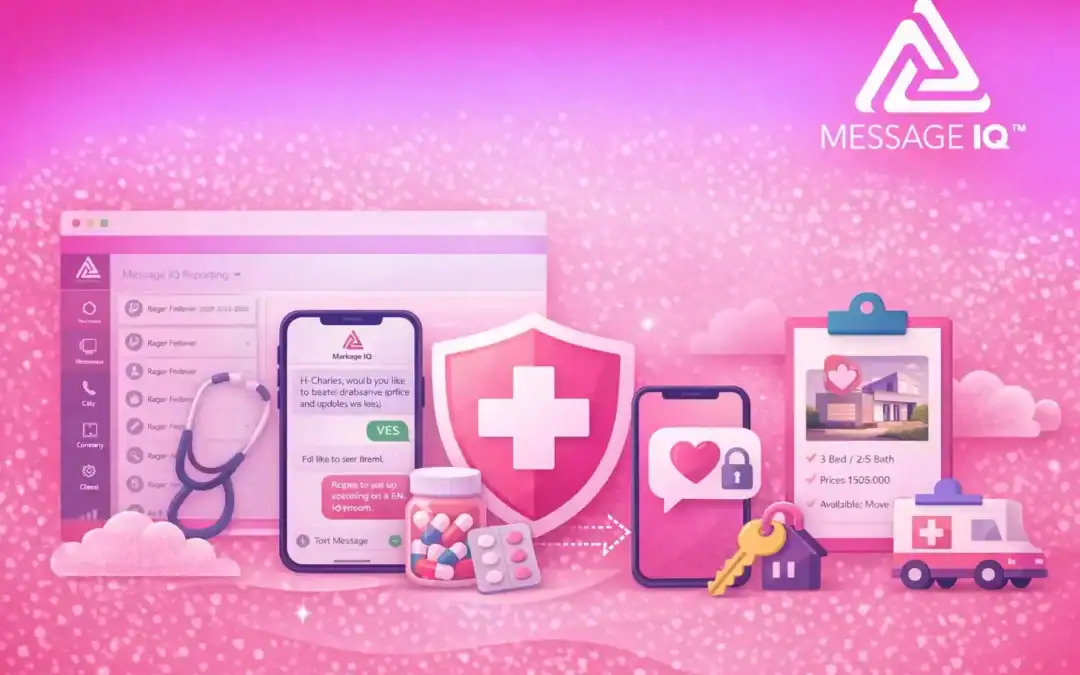
HIPAA-safe healthcare SMS workflows focus on minimum necessary information, consent-aware communication, and secure operational design. You can safely send appointment reminders, operational updates, and non-sensitive instructions when workflows avoid unnecessary PHI exposure and follow your organization’s compliance standards.
Why This Matters
Healthcare teams need fast communication, but privacy risk is high. Without clear workflow boundaries, staff may send sensitive details through channels not designed for full clinical disclosure. A HIPAA-safe template and workflow model reduces risk while preserving patient experience.
Get Your Ultimate HubSpot Text Messaging Playbook for FREE
Discover how top HubSpot teams use SMS to boost engagement, close deals faster and streamline operations.
Instant download
Expert insights from certified HubSpot professionals
Ultimate Text Messaging Playbook
What you can generally send via healthcare SMS
Operational patient communications are usually the safest place to start: appointment reminders, scheduling confirmations, basic preparation instructions, and generic follow-up prompts. Keep content minimal and avoid unnecessary identifiers.
Use message designs that notify and direct, rather than disclose. If clinical detail is needed, route patients to secure channels.
What to avoid in standard SMS workflows
Avoid detailed diagnosis content, test results, or sensitive medical specifics in plain SMS unless your compliance framework explicitly supports it and safeguards are in place. Over-sharing in routine workflows is a common risk pattern.
Train staff to default to minimal disclosure and escalation to secure communication pathways when patient context is sensitive.
Workflow architecture for HIPAA-safe operations
Build healthcare SMS workflows with strict trigger logic, role-based access, consent tracking, and audit logs. Segment by use case (scheduling, reminders, follow-up) and define what data each template can include.
Include manual review for edge cases and high-risk patient communications.
See how much revenue SMS could add to your HubSpot stack
Five inputs. Industry-backed benchmarks. Get your projected annual SMS revenue in under 30 seconds.
Calculate My SMS ROI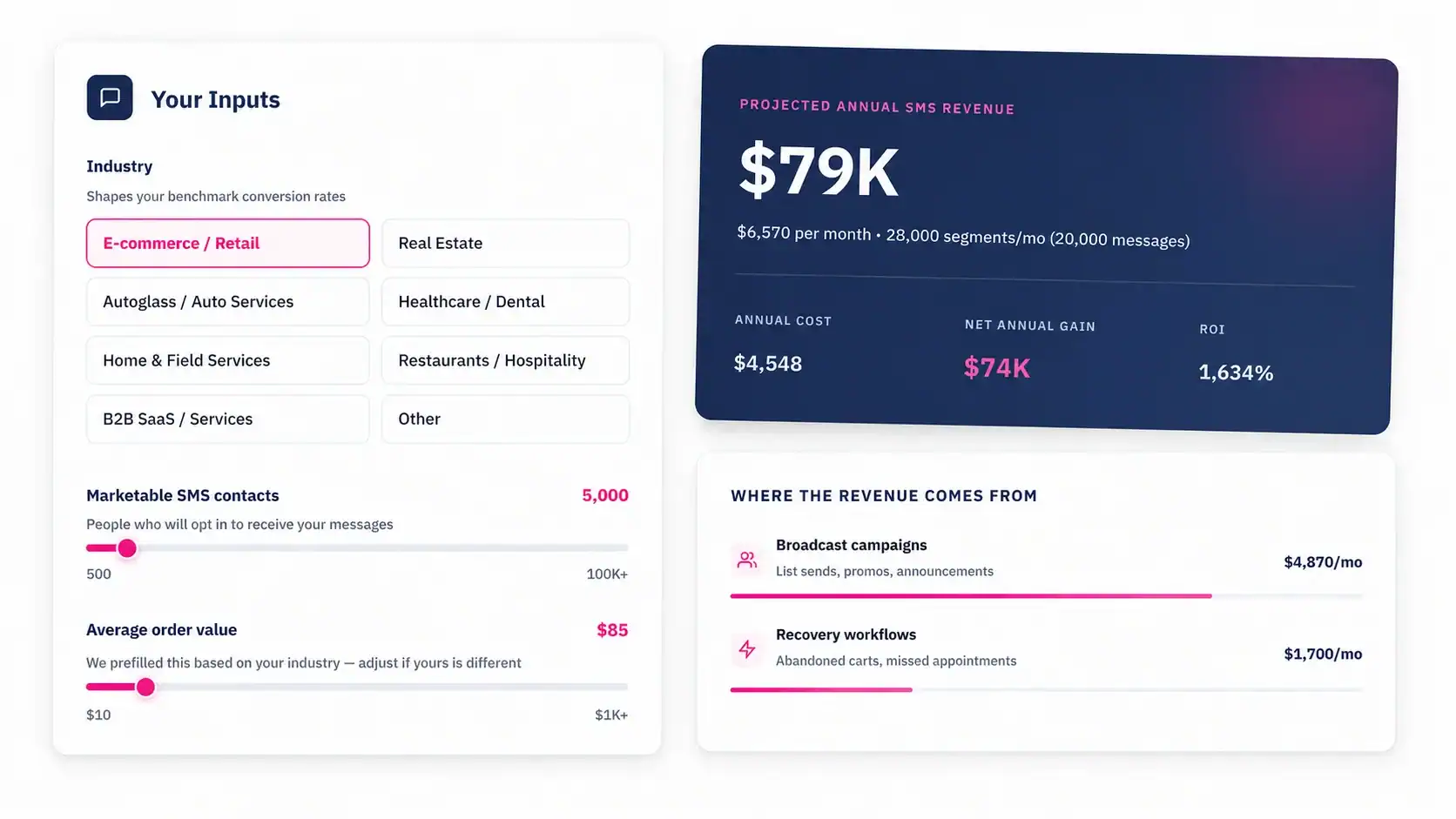
Governance, training, and quality assurance
Compliance-safe messaging requires ongoing training and review, not just templates. Run weekly spot checks on sent messages, audit access controls, and update scripts when workflows or regulations change.
When in doubt, design messages to prompt secure follow-up rather than include sensitive detail in-text.
| Workflow Type | Generally Safe Content | High-Risk Content to Avoid | Recommended Control |
| Appointment reminder | Date/time/location reminder | Detailed condition context | Template with minimal necessary info |
| Scheduling follow-up | Reschedule prompt and contact options | Sensitive treatment details | Role-based script access |
| Prep instructions | Generic prep checklist references | Diagnosis-linked clinical specifics | Pre-approved instruction templates |
| Billing reminder | Account notification with secure portal direction | Detailed clinical billing narratives | Portal-first payment flow |
| Care follow-up prompt | General check-in invitation | Specific symptom/diagnosis disclosure | Secure channel escalation rule |
Step-by-Step Implementation
- Classify healthcare SMS use cases by risk level.
- Define approved template library using minimum necessary principles.
- Implement consent and communication preference tracking.
- Enforce role-based access to healthcare messaging workflows.
- Route sensitive conversations to secure approved channels.
- Run weekly audits on message samples and access logs.
- Retrain teams quarterly and after major workflow changes.
Quick Checklist
- Direct answer placed in the first section for answer engine extraction.
- Question-led headings and short paragraphs for skimmability.
- One structured table and one procedural list included.
- FAQ section answers 8 related conversational queries.
- EEAT trust note included with practical boundaries.
- Meta, schema, and internal-link suggestions included.
Frequently Asked Questions
Can healthcare providers use SMS for appointment reminders?
Yes, appointment and operational reminders are commonly used when privacy-conscious controls are in place.
What is the biggest HIPAA SMS risk?
Including unnecessary sensitive details in plain-text workflows without proper safeguards.
Can test results be sent by SMS?
Organizations should follow strict compliance policy; many teams route result details to secure channels instead.
How should teams handle patient replies with sensitive information?
Use escalation rules that move sensitive exchanges to approved secure communication channels.
Do we need special training for staff?
Yes. Ongoing training is essential to prevent template misuse and accidental disclosure.
How often should templates be reviewed?
At minimum quarterly, and whenever policy or workflow scope changes.
Is this article legal advice?
No. It is operational guidance. Final policy must be set by your compliance/legal stakeholders.
What KPI indicates privacy risk trend?
Increased exception handling, escalation volume, or message audit findings can signal governance gaps.
Conclusion
HIPAA-safe SMS workflows are achievable when teams combine minimum-necessary messaging, secure escalation paths, and strong operational governance. The goal is fast communication without compromising patient trust or privacy safeguards.